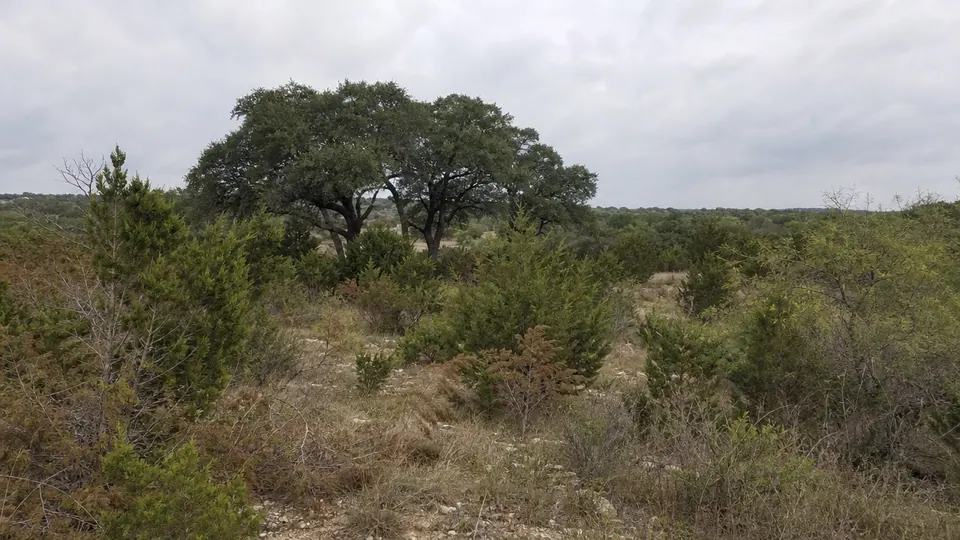
If you have started getting quotes to clear brush around Weatherford, you have probably noticed that “land clearing” can mean different things depending on who you call. Two common approaches are traditional dozer-based clearing and forestry mulching. Dozer-based clearing can remove vegetation and open the ground for additional dirt work, while forestry mulching processes brush and smaller trees in place. Both will get the cedar out of your pasture. They do not leave you with the same property when the work is done.
How traditional clearing works
Dozer-based clearing pushes trees and brush into windrows or piles. Depending on how the work is done, it can also disturb or displace topsoil, particularly where root balls are pushed out or grubbed. From there you have two choices: burn the piles or haul the debris off. If the debris is burned, the timing depends on local requirements, burn bans, weather, and other applicable rules. If it is hauled, that means trucks on the property and, in many cases, disposal costs. Where root balls are pushed out, the ground is left rough and usually needs grading before it is usable.
It is a fast way to make a large area bare, and it may be the better fit when a project truly needs bare dirt — a building pad, a road bed, or a site that is about to be graded anyway.
How forestry mulching works
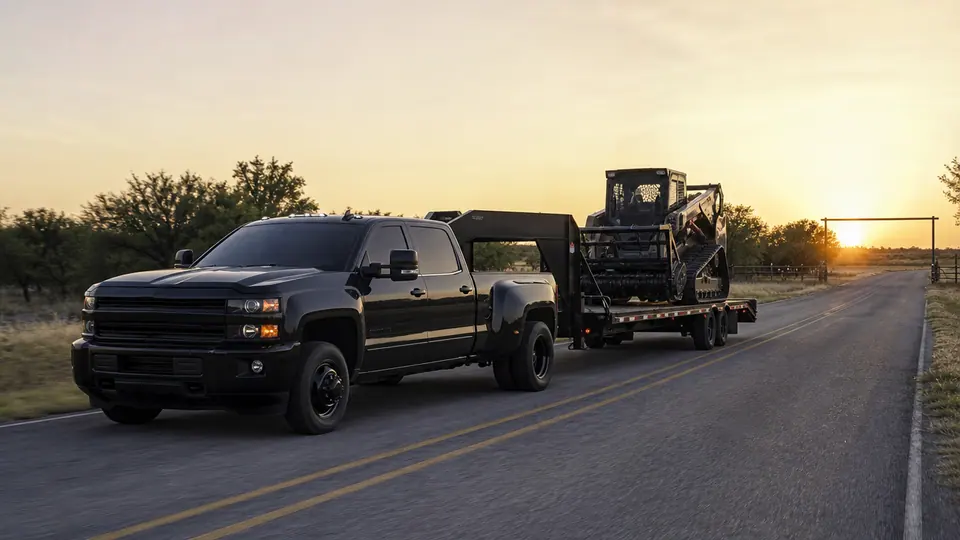
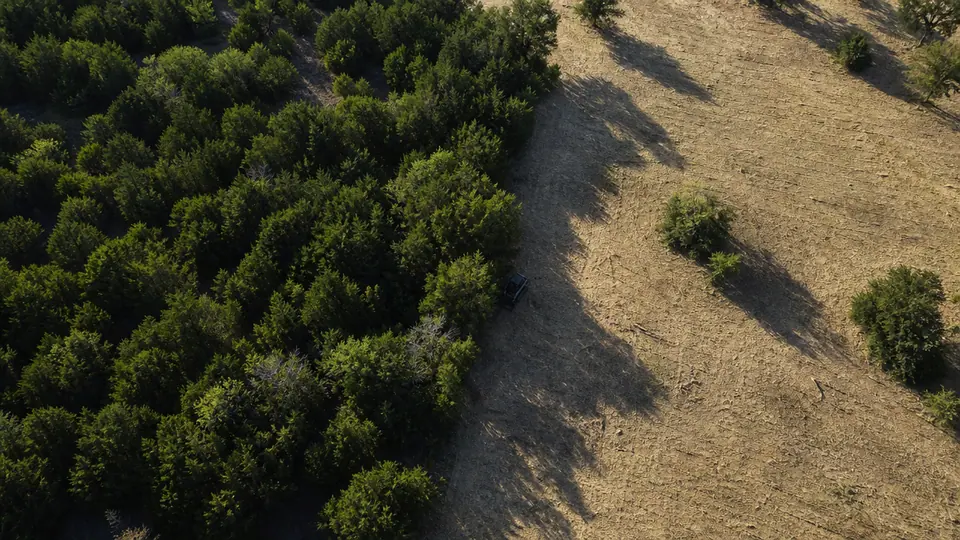
A forestry mulcher spins a drum of carbide teeth at high speed and can process standing vegetation into chips where it stands. The machine rides on tracks rather than digging, which helps keep ground disturbance to a minimum, and most of the root mat and topsoil stay in place. The chips stay too, forming a mulch layer on the ground that helps protect the soil, can help retain moisture, and slowly breaks down into organic matter. How much material is left behind depends on the vegetation and the property.
There is nothing to burn and nothing to haul. The property is open and accessible when the work is done.
Side by side
| Factor | Traditional (dozer) | Forestry mulching |
|---|---|---|
| Debris | Piles to burn or haul | No separate piles; material is mulched in place |
| Topsoil | Can be scraped or displaced | Largely preserved |
| Soil exposure | Bare soil may remain exposed until vegetation returns | Chip layer helps cover and protect the soil |
| Stumps and root balls | Removed if pushed | Cut near ground level on most brush and small trees; roots remain |
| Selective clearing | Typically clears an area rather than working around individual trees | Can work around trees you want to keep, planned during the walkthrough |
| Permits and requirements | Burn permit often required | Depends on location and property; no burning involved |
| Condition after clearing | May need grading depending on the work | Open and accessible when the work is done |
| Best for | Pads, road beds, full site prep | Pasture, acreage, lots, habitat, defensible-space clearing |
When a dozer or excavation work may be a better fit
- You need a building pad or road bed brought to bare, graded dirt.
- Root balls must be completely removed for a foundation, septic field, or pond.
- Very large trees dominate the site and the plan is a full clear.
Mulching can sometimes be used first to remove brush and smaller growth before additional dirt work begins.
When forestry mulching may be the better fit
- Reclaiming pasture that cedar and mesquite have taken over.
- Opening up wooded acreage for hunting, trails, or simply walking it.
- Clearing a residential lot while working around trees you want to keep.
- Creating defensible space around a home.
- Cleaning fence lines, easements, and property lines.
- Properties where you want to avoid burn piles or separate piles of debris to haul away.
What about cost?
At Y 5, we walk the property first and give you one fixed price for the work before we begin. With any clearing method, compare the full scope of the quote and the condition the property will be left in when the work is done. A project that involves pushing or removing vegetation may also involve additional steps such as handling debris, grading disturbed ground, or reseeding, depending on the property and the finished result you need. Compare the finished result, not the first number. Our pricing guide breaks down what actually drives a mulching quote in Parker County.
Not sure which method your project needs? Request a free walkthrough. We’ll walk the property with you and explain what the mulcher is a good fit for and where the project may call for a different approach.