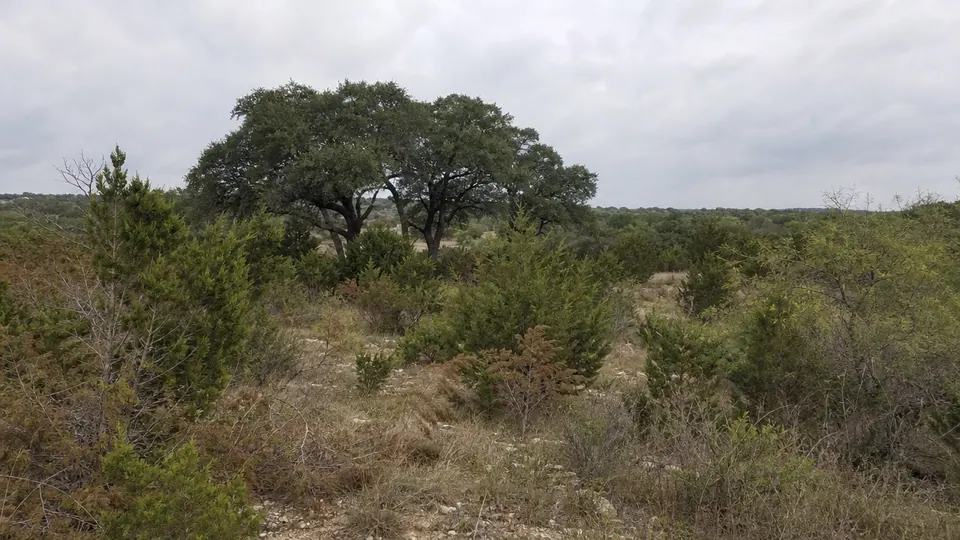
Ask any rancher around Weatherford, Springtown, or Mineral Wells about cedar and you will get the same story. Grandpa’s pasture was wide open. Somewhere along the way a few junipers showed up along the fence line, then a few more in the draw, and now there are places on the property you cannot ride a horse through. Mesquite tells the same story on the flats. Neither one is new to Texas — but the way they have spread is.
Why cedar spreads
What we call “cedar” in North Texas can include Ashe juniper or eastern redcedar, with redberry juniper becoming more common farther west. Historically, periodic grass fires kept it confined to rocky slopes and canyons where fire could not carry. Once the land was fenced, grazed, and fire was suppressed, there was much less to hold it back. Birds eat the berries, roost on fence wire and in shade trees, and plant the next generation exactly where you least want it.
Dense cedar stands use water and can intercept a substantial amount of rainfall in the canopy before it reaches the ground. Research on Ashe juniper has documented significant canopy interception, although the amount varies with tree density, storm size, and site conditions. A dense canopy can also shade out much of the grass beneath it, leaving areas of bare ground that can be more vulnerable to erosion during heavy rain.
Why mesquite spreads
Honey mesquite is a legume with a taproot that can reach deep for water and a lateral root system that spreads well beyond the canopy. Cattle eat the bean pods and spread seed across the pasture. Once established, a mesquite can resprout from buds below ground after the top growth is cut or killed, which is why generations of landowners have fought it with limited success.
The result on open pasture is a thorny, shin-high to head-high thicket. Dense mesquite can make grazing difficult and keep hay equipment out of parts of a property, and it steadily reduces the usable acreage of the place.
What the brush is costing you
- Grazing capacity. Dense brush can sharply reduce available forage and the amount of acreage that is practical to graze.
- Water. Less rainfall reaches the soil, and what does is competed for by deep-rooted brush.
- Wildlife habitat. Dense, continuous cedar can reduce habitat diversity. Deer, turkey, quail, and other wildlife benefit from a mix of openings, native grasses and forbs, brush, and tree cover rather than one continuous type of vegetation.
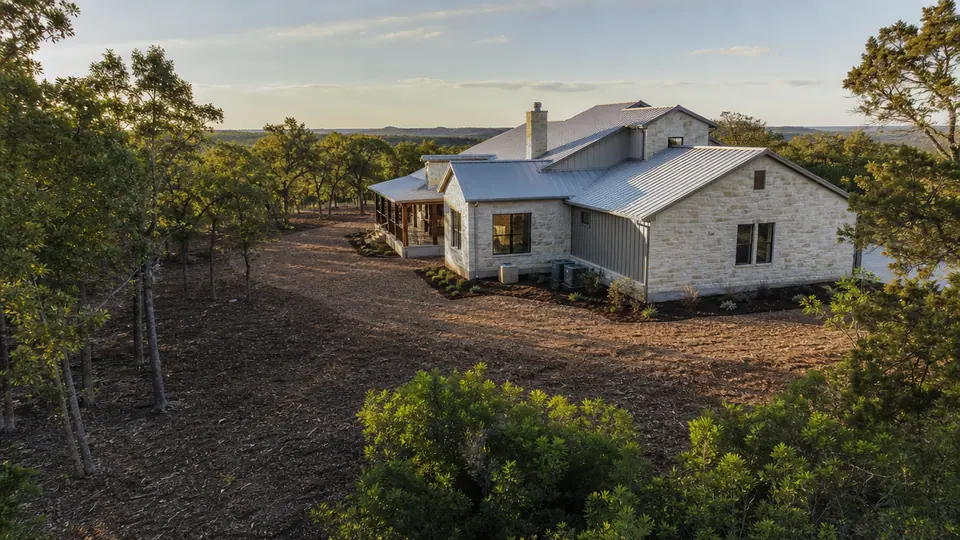
- Fire mitigation. Dense cedar and other vegetation close to homes, barns, and other structures can add to the continuous fuels around a property.
- Usability. When brush becomes so dense that you cannot easily walk the property, see across it, or use parts of the acreage, you are getting less use out of the land you own.
- Time. As woody growth gets larger and denser, it can take more work to clear.
Your options for taking it back
Hand cutting
Chainsaws and loppers work on small infestations and around structures, but they are slow, the cut material still has to be handled — whether it is piled and burned where allowed, hauled away, chipped, or otherwise managed — and mesquite can resprout unless the stump is treated.
Dozing and root plowing
Dozing or root plowing can be useful when the goal includes removing root crowns or opening the ground for additional dirt work. Those methods can also disturb or displace more soil and may leave vegetation or root material that has to be burned, hauled, or otherwise handled. For mesquite specifically, root-plowing approaches can remove the root crown, while forestry mulching works primarily above ground and does not prevent the remaining crown from resprouting.
Herbicide
Some landowners also use herbicide as a follow-up option for mesquite resprouts or smaller woody growth. The appropriate treatment depends on the species, size, timing, and product being used. Herbicide may kill the targeted growth, but the standing dead material still remains to be dealt with.
Forestry mulching
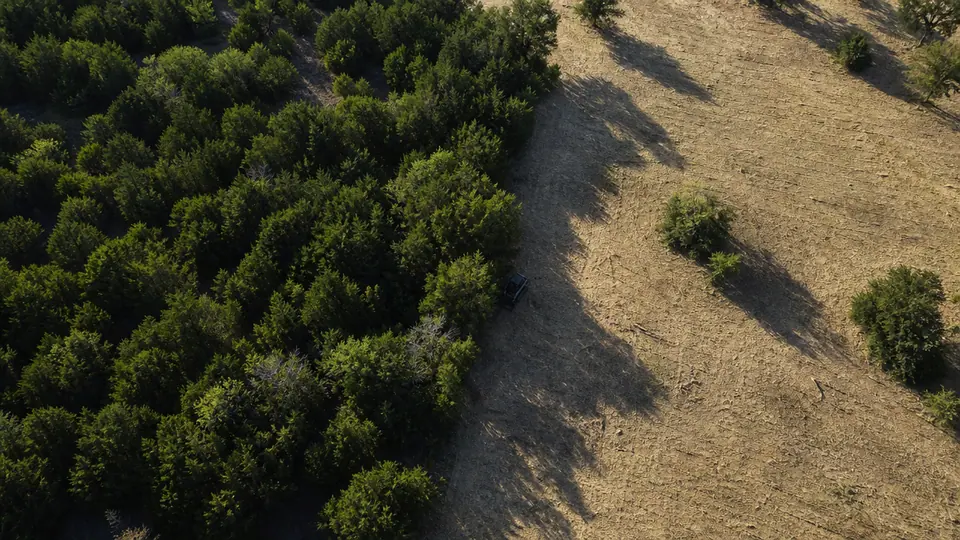
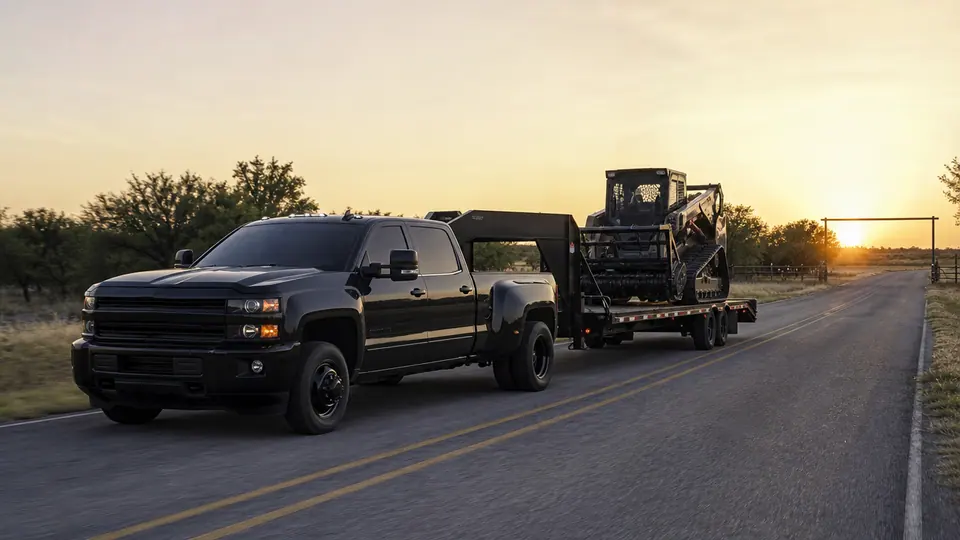
Processes cedar, mesquite, and other woody vegetation into chips where it stands, helps keep ground disturbance to a minimum, and leaves a chip layer that can help protect the soil. With normal rainfall, native and improved grasses often begin coming back through the mulch, although timing varies by property. Mesquite can resprout from the remaining root crown, so ongoing vegetation management such as mowing or spot treatment may be needed to help keep new growth manageable. For pasture where the goal is to open up dense woody growth without creating separate piles to burn or haul, forestry mulching can be a practical option. Read more on our pasture reclamation page.
After the brush is gone
The initial clearing is one step. Keeping the land open is a habit. Periodic brush hogging, spot treatment of mesquite sprouts, and pulling the occasional volunteer cedar along the fence can help keep woody regrowth manageable over time. Regular maintenance is generally easier than allowing dense woody growth to take over again.
If your place has a section that has gotten away from you, request a free walkthrough and we’ll go over what it would take to open the property back up.