Most people picture wildfire as a West Coast problem. Texans who have seen the fires across the state in recent years know better. Dry winters, high winds, and miles of unmanaged cedar and grass mean that a fire started by a dragging chain or a downed line can cover a lot of ground in an afternoon. If your home sits on acreage west of Fort Worth, the way vegetation is managed around it can either help break up fuels or give fire a path toward the house.
The three zones
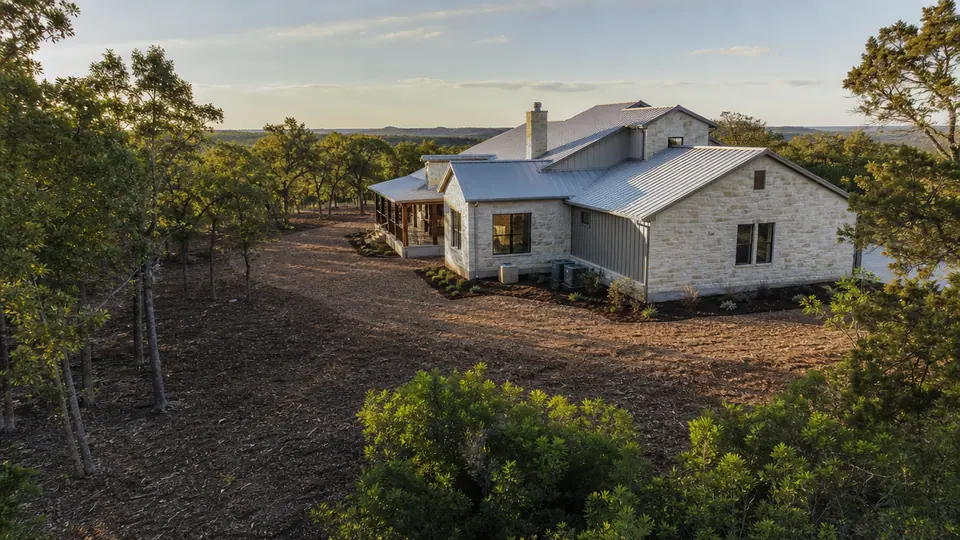
NFPA’s Firewise USA program and Texas A&M Forest Service describe the area around a home in three home ignition zones: the Immediate Zone from 0–5 feet, the Intermediate Zone from 5–30 feet, and the Extended Zone from 30–100 feet. Use them as a checklist.
Zone 1: 0 to 5 feet
The area immediately against the house, porch, and outbuildings. Remove brush, dead vegetation, wood piles, and other combustible material that can carry flame to the wall. Noncombustible material such as gravel, hardscape, or bare mineral soil is preferred closest to the structure; cedar and juniper shrubs should not be planted directly against the home.
Zone 2: 5 to 30 feet
Break up continuous fuel. Thin cedar and brush so tree canopies are well separated, remove dead limbs and ladder fuels and prune lower branches according to Firewise guidance and the height of the tree, and keep grass mowed. Trees and other vegetation should be spaced to reduce fuel continuity and ladder fuels, giving a surface fire less opportunity to move into the canopy.
Zone 3: 30 to 100 feet (and beyond)
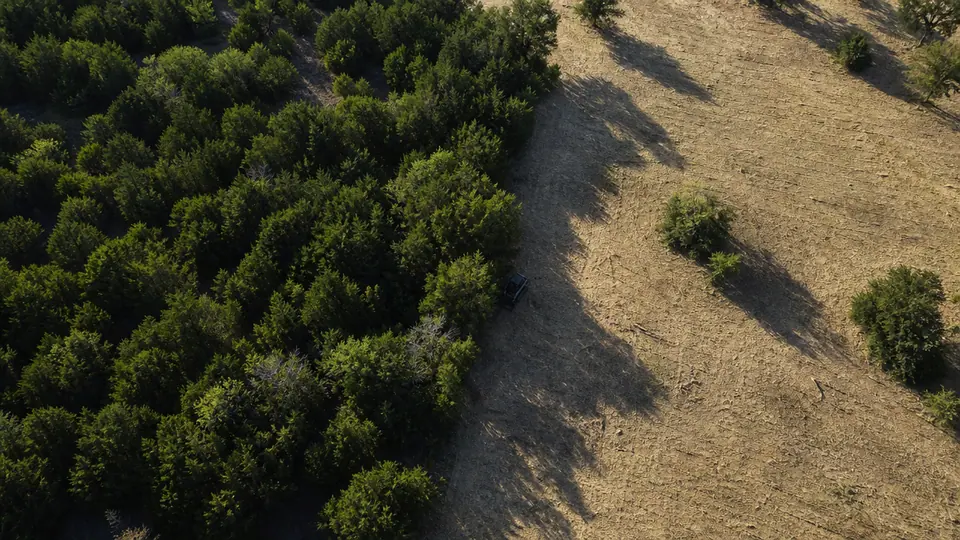
Reduce overall density. This is where mechanical fuel reduction methods such as forestry mulching can be useful. Depending on the property and its goals, cedar and brush can be thinned, understory vegetation reduced, and continuous fuels broken up. On sloped ground, additional spacing or distance may be appropriate because fire can move faster uphill; the appropriate treatment depends on the slope, fuels, and site conditions.
Defensible space is one part of wildfire preparation. The home itself matters too — including the roof, vents, gutters, decks, and other places where wind-blown embers can collect or enter. Vegetation management works best as part of a broader wildfire-preparation plan.
Why dense cedar matters
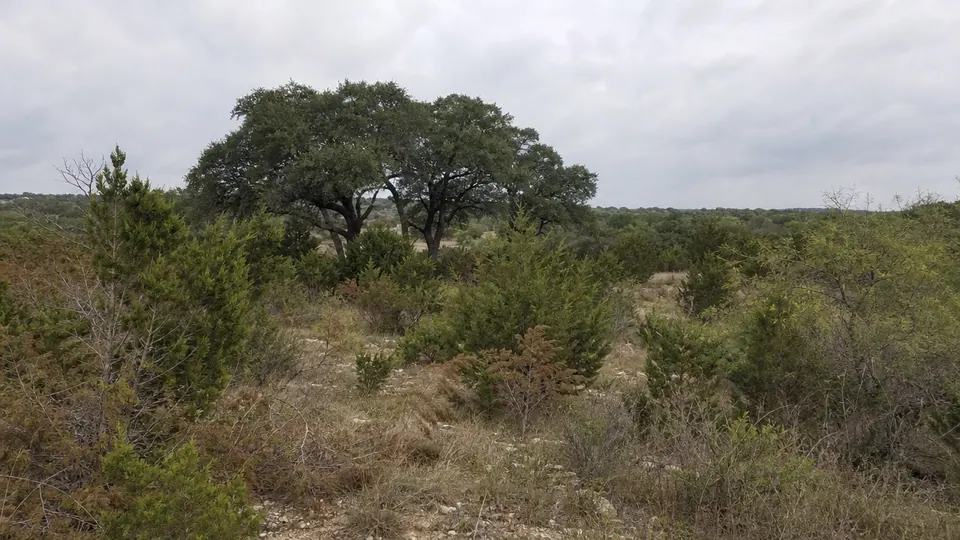
Ashe juniper holds volatile oils in its foliage, dead material can accumulate inside its canopy, and its limbs often extend low toward the ground, which contributes to ladder-fuel continuity. Under dry conditions, juniper can ignite readily, burn intensely, and help carry fire from surface fuels into the canopy. Dense cedar and other vegetation close to structures can add to continuous fuels and ladder fuels around a property.
Fuel breaks beyond the homesite
Vegetation can also be reduced along property lines, roads, and fence lines to create breaks in continuous fuels. Fuel breaks may also improve access for suppression activities. The appropriate width and placement of a fuel break depends on the vegetation, terrain, likely direction of fire approach, and the goals for the property. Fuel breaks may be positioned toward the side a fire is more likely to approach from, depending on the property and surrounding fuels.
Insurance and documentation
Wildfire mitigation is receiving more attention from insurers and the Texas Department of Insurance. Keeping records of mitigation work can be useful, but insurance discounts, eligibility, premiums, and renewal decisions vary by insurer and policy. Keep before-and-after photos and other documentation of the work performed on your property on file.
How forestry mulching can be used for fuel reduction
Some landowners would rather avoid burning brush piles near their home, particularly when another debris-management option is available. Forestry mulching can reduce standing and ladder fuels by processing woody vegetation into a surface chip layer. The resulting chips are still combustible material; mulching changes the arrangement and vertical continuity of the fuel rather than eliminating combustible biomass, and it helps keep ground disturbance to a minimum. Current wildfire guidance recommends keeping the immediate 0–5-foot zone free of combustible mulch and other combustible material. How material is handled closest to the house is something to go over during the walkthrough.
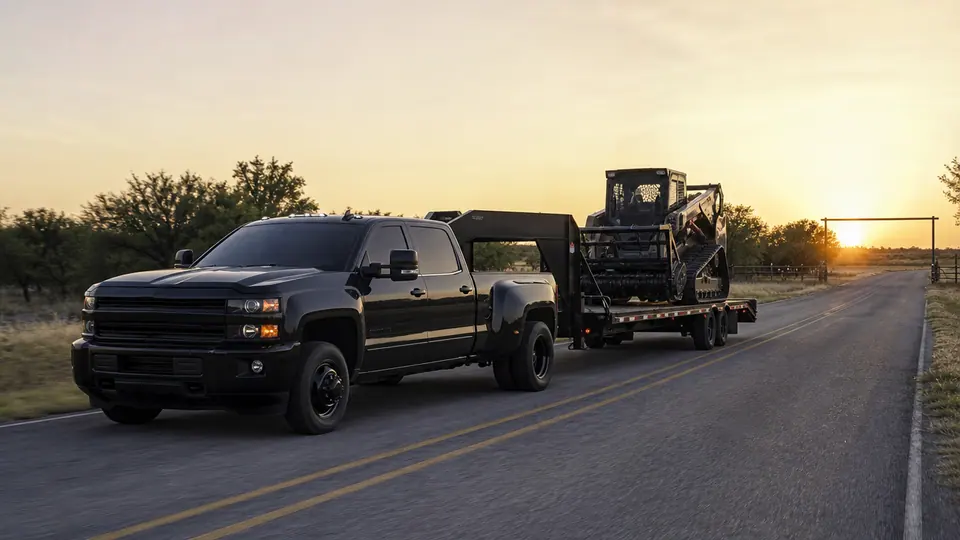
Read about our fire mitigation service, or request a walkthrough and we’ll go over the vegetation around your home and which areas you want to address.