
Fire Mitigation · Weatherford & North Texas
Wildfire Mitigation & Defensible Space Clearing in North Texas
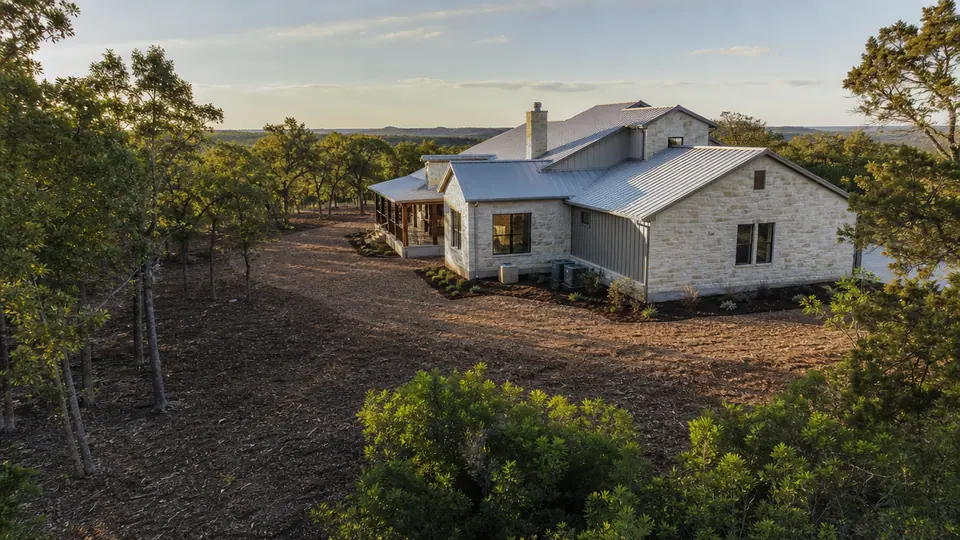
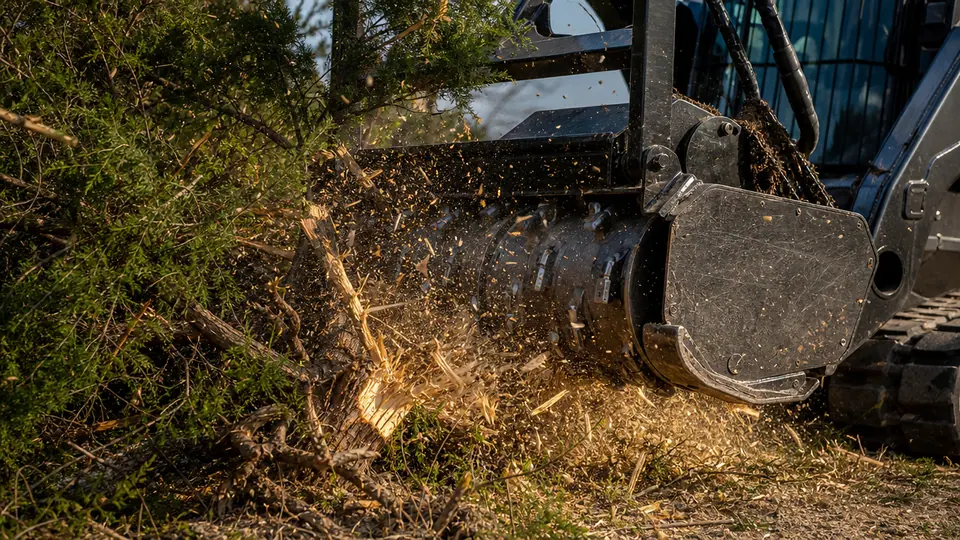
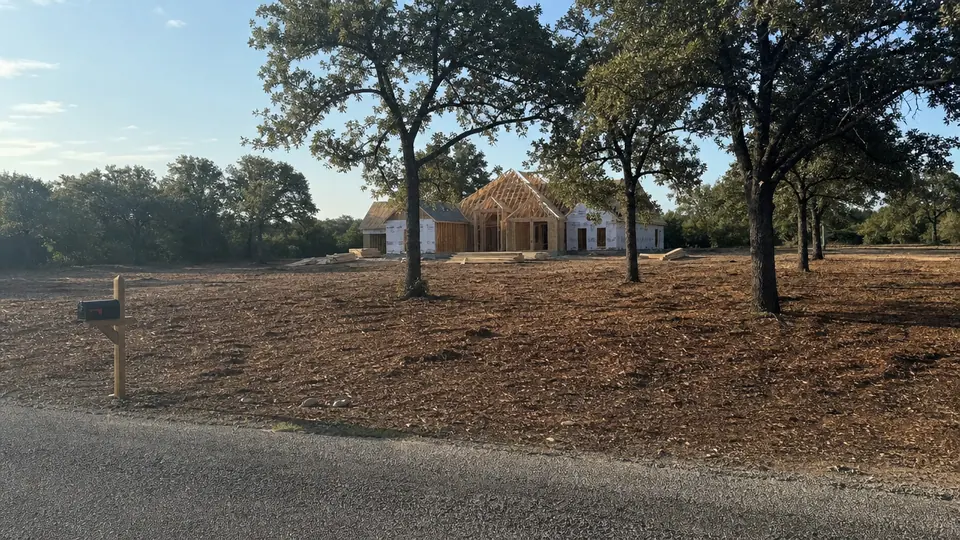
Dry grass, dead cedar, and thick brush against a house are fuel. North Texas gets the dry air and high winds that turn that fuel into a fast-moving grass fire, and the fires across the state in recent years have put it on every landowner’s mind. Y 5 Land Services clears defensible space around homes, barns, and outbuildings and reduces dense and continuous vegetation across the property by mechanically mulching brush and woody growth in place.
- Fixed-price quotes
- Insured
- Weatherford, TX
- Faith · Family · Work
Defensible space, zone by zone
NFPA Firewise USA and Texas A&M Forest Service guidance generally breaks the area around a structure into zones. It is a useful way to think about the property when we plan the clearing:
- Immediate zone (0–5 ft from the structure): keep combustible vegetation and debris away from the structure. This area may require a different treatment than the mulched areas farther from the home.
- Zone 2 (5–30 ft): thin cedar and brush, break up continuous fuel, and keep well-spaced trees.
- Zone 3 (30–100 ft): reduce vegetation density and ladder fuels to make it harder for a surface fire to move into tree canopies.
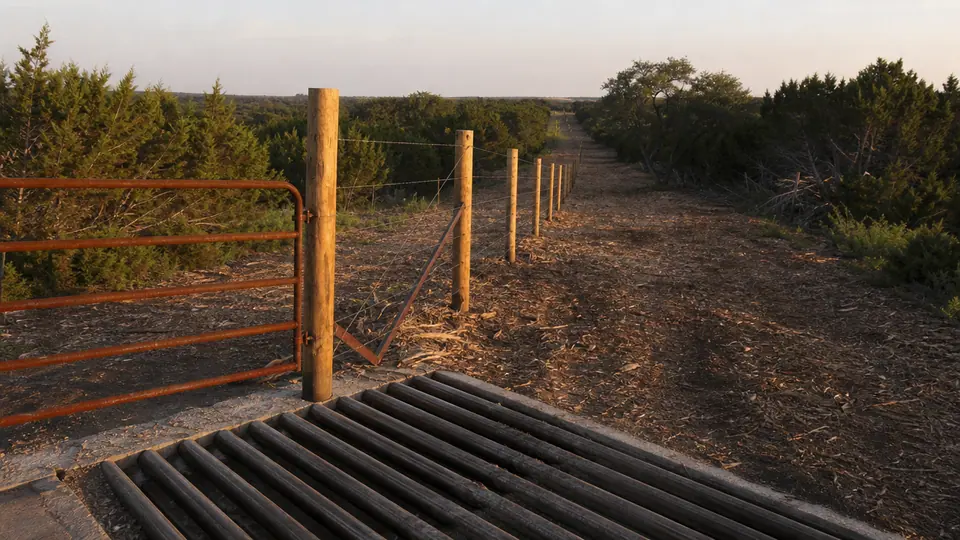
Beyond the homesite, vegetation can also be reduced along property lines, roads, and fence lines to create breaks in continuous fuels.
Why dense cedar matters
Ashe juniper holds volatile oils, dead material can accumulate inside its canopy, and its limbs often extend low toward the ground. Under dry conditions, juniper can ignite readily, burn intensely, and help carry fire from surface fuels into the canopy. Dense cedar and other vegetation close to structures can add to continuous fuels and ladder fuels around a property. On properties with dense cedar, thinning those stands and reducing understory vegetation can be an important part of lowering the amount and continuity of fuel around the property.
What’s included
- Walkthrough and a clearing plan based on the property
- Dead and flammable vegetation removed from around structures
- Cedar thinning and understory mulching
- Fuel breaks along property lines, roads, and fences
- Fixed price; insured
Fixed price, every time. I walk the property, give you one number, and that number does not change because the brush was thicker than expected.
Questions
Fire Mitigation FAQ
How far from my house should brush be cleared?
There isn’t one clearing distance that fits every property. Defensible-space guidance generally places the greatest emphasis on the first 5 feet around the structure, with additional vegetation management extending through the 5–30-foot and 30–100-foot zones. Terrain, vegetation, structures, and property boundaries can all affect the plan, which is what the walkthrough is for.
Does mulching leave flammable material on the ground?
Mulched material is still combustible, which is why the area immediately around a structure needs special consideration. Defensible-space guidance generally calls for minimizing combustible material closest to the building. How mulch is handled closest to the house is something we talk through during the walkthrough.
Can you clear around barns, wells, and propane tanks too?
Yes. Brush around outbuildings, well houses, propane tanks, and equipment sheds is often where growth has been ignored the longest, and we go over those areas on the walkthrough.
Where we work
Fire Mitigation across North Texas
Serving Parker County and the surrounding counties within about 75 miles of Weatherford.
Ready for fire mitigation on your property?
Call or text (817) 458-9190, or request a free estimate. I personally call back — my goal is under 5 minutes during business hours.